



From Campus to Content Leadership: Gabriel Alexander’s Journey in the Digital Media Industry
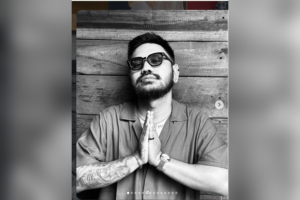
(FDCHT) – In today’s rapidly changing media landscape, communication skills have become more important than ever. The ability to deliver messages, understand audiences, and create engaging content is essential for professionals working in the digital industry. For Gabriel Alexander Herman Shah, an alumnus of BINUS University’s Digital Media Communication Program, these abilities became an important foundation for building his career in the media industry.
Graduating from BINUS University in 2016 with a concentration in Broadcasting, Gabriel has demonstrated how knowledge gained during university can be transformed into professional opportunities. Today, he works as a Content Manager at Volix Media, a digital media company known for its content across various platforms, including social media and websites.
Discovering the World of Communication
During his university years, Gabriel developed an interest in broadcasting and media production. His decision to pursue Mass Communication allowed him to explore different aspects of the media industry, particularly how information and stories can be presented to audiences through various formats.
Studying Mass Communication provided him with opportunities to understand communication theories while also developing practical skills. These included scriptwriting, interviewing, camera operation, video production, and presenting. Such experiences helped him become familiar with the processes behind media production.
Beyond classroom learning, practical activities also played an important role in shaping his understanding of the industry. His involvement with BINUS TV allowed him to experience a working environment that closely reflected professional broadcasting.
Through these activities, Gabriel learned that producing media content requires more than creativity. It also involves teamwork, discipline, preparation, and the ability to communicate effectively with different people.
From Broadcasting to Digital Media
After graduating, Gabriel began building his professional career in the broadcasting industry. Before entering the digital media sector, he spent approximately five years working at a national television station.
This experience became an important stepping stone in his professional development. Working in television introduced him to the demands of the media industry, including production schedules, audience expectations, and the importance of delivering information accurately.
As digital platforms continued to grow, Gabriel eventually transitioned into the digital media industry. He now works as a Content Manager at Volix Media, where his responsibilities extend beyond producing content.
His role involves developing content strategies, understanding audience preferences, managing creative teams, and ensuring that content remains relevant across different digital platforms. The transition also required him to adapt his knowledge of traditional broadcasting to the faster and more dynamic environment of digital media.
One of the interesting aspects of his current position is balancing creativity with business objectives. Content must not only attract audiences but also communicate messages effectively, including promotional messages from brand partners.
As Gabriel explained in a BINUS University podcast, one of the challenges in his work is finding common ground when discussing content strategies with advertisers. Understanding audience behavior and using relevant data are important in making sure promotional content remains engaging without losing its purpose.
The Importance of Practical Learning
Looking back at his university experience, Gabriel recognizes that practical learning played a significant role in preparing him for the professional world. The skills he developed through campus activities became useful when he entered the broadcasting industry.
Experiences in the production studio helped him understand how media projects are planned and executed. Learning how to write scripts, conduct interviews, operate cameras, and work with production teams also gave him a stronger foundation.
He shared that the practical lessons he received during his time at BINUS helped him adapt more easily when entering the professional industry. This demonstrates how university assignments and extracurricular experiences can become valuable learning opportunities beyond academic requirements.
For communication students, this is an important reminder that every project can contribute to their future development. Activities that may initially seem like ordinary coursework can actually help students build the technical and interpersonal skills needed in their careers.
Staying Curious and Consistent in a Changing Industry
Working in digital media also requires professionals to continuously learn and adapt. Trends, audience interests, and platform algorithms change frequently, making it important for content professionals to stay updated.
According to Gabriel, curiosity is one of the most important qualities for people working in the creative industry. Being curious allows individuals to explore new ideas, understand current developments, and discover different ways to communicate with audiences.
He also emphasizes the importance of consistency when building a career in digital media. Creating meaningful work does not always produce immediate results, but continuous effort can lead to valuable opportunities in the future.
His journey reflects the importance of combining creativity, professional experience, and a willingness to keep learning. Rather than limiting himself to one area of communication, Gabriel continued exploring opportunities and adapting his abilities to meet the needs of the industry.
A Journey That Goes Beyond Graduation
Gabriel Alexander’s professional journey demonstrates that studying Mass Communication is not limited to preparing students for careers in television or journalism. The knowledge and skills gained throughout university can also open opportunities in digital content production, media management, creative strategy, and other communication-related fields.
His experience also highlights the importance of taking advantage of university facilities, participating in practical projects, and developing professional skills before graduation.
For current Digital Media Communication students, his journey serves as a reminder that building a career is a continuous process. Every assignment, production project, organizational activity, and opportunity to collaborate can become part of a larger professional journey.
Ultimately, success in the communication industry is not simply about having the ability to create content. It is about understanding people, delivering meaningful messages, and having the courage to adapt to an ever-changing media environment.**
Comments :